
Walk into any wellness retreat these days and you’ll find some version of breathwork on the schedule. Most of it is gentle – deep breathing, calming music, maybe a guided visualization. Stanislav and Christina Grof came up with something different back in the 1970s. They developed a method that uses breathing, music and people who are trained to help you to change your state of mind.
The goal of Stanislav and Christina Grofs method is not to help you relax. The goal of this method is to help you get to memories, emotions and things that’re inside of you that you do not think about in your everyday life. Stanislav and Christina Grofs method is, about getting to these things.
Holotropic Breathwork vs Other Breathwork
People often confuse Holotropic Breathwork with yoga breathing or Buddhist meditation. This is because all these practices work with paying attention the body and changing the way we feel. However Holotropic Breathwork, yoga breathing and Buddhist meditation are not the same.
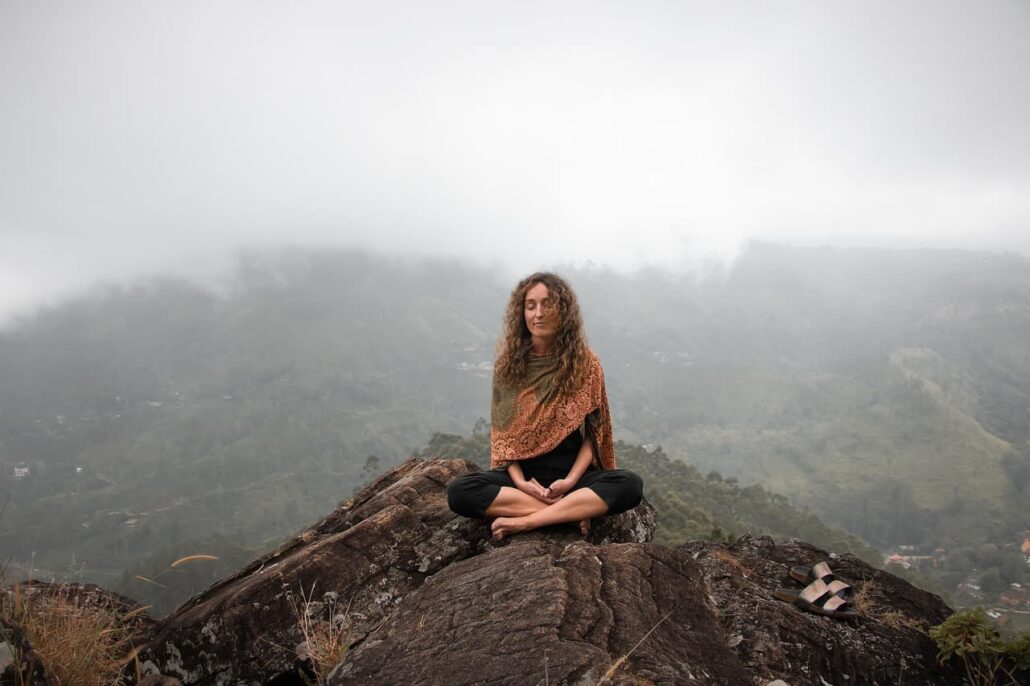
Yoga Breathing: Regulation, Energy, and Discipline
Yoga’s pranayama is known for its focus on control. You breathe deeply, equalizing the inhale and the exhale. The aim is steadiness – calming the nervous system, developing concentration, preparing for meditation. The point is discipline even when it gets intense.
Buddhist Meditation: Observation, Clarity, and Non-Attachment
In Buddhist traditions people observe their breath without trying to control it. You can just follow your breathing and pay attention to how it flows inside your body. When your mind starts to wander you can gently bring it back to your breath again.
There is no intention here to create a drama experience. It is almost the reverse: the practitioner learns not to chase visions, emotions, or special states. Breathing anchors the seeing of the mind more clearly.
Holotropic Breathwork: Opening the Unconscious Through Intensity
Holotropic Breathwork uses breath in a more dramatic manner. Breathing faster and deeper than normal, supported by music, a safe setting and trained facilitation. It is not primarily to calm down or observe the breath, but to loosen ordinary control.
So the practice often involves crying, shaking, body movement, symbolic imagery or memories. In Holotropic Breathwork these are not interruptions to the practice. They might be the stuff that the practice is trying to make accessible.
What Holotropic Breathwork Session Looks Like
You lie down, close your eyes, and breathe faster and deeper than usual. Then you let whatever comes up come up without trying to manage or interpret those feelings in the moment.
The structure around this is specific:
- A safety orientation before anyone starts breathing
- Trained facilitators holding the space
- Participants work in pairs – one breathes while the other “sits”
- The sitter’s job is simple: keep the breather physically safe and present
The Grof Legacy Is Not About Escape
The word holotropic basically means moving toward wholeness as a person. This is important because this method is not a way to escape from life. At its best it is a way to deal with things that we cannot easily talk about or understand by thinking about them.
In a Holotropic Breathwork session strong feelings like fear or sadness are not ignored. Things like feeling scared feeling sad shaking, feeling pressure in your body seeing pictures in your mind remembering things from when you were a kid or suddenly feeling connected, to something may all be part of what you experience inside. The point is not to think that every picture or feeling you have is totally real but to try to understand what it says about the persons mind.
What Actually Supports the Experience
Breath alone is not the whole method. The surrounding structure is part of what gives the experience its depth and, ideally, its safety.
- Breath shifts attention away from everyday control.
- Music gives emotion a direction and container.
- Closed eyes reduce outer distraction.
- The body may express what speech usually edits.
- The group setting can intensify trust, vulnerability, or resistance.
Safety Is Not a Footnote
The official Holotropic Breathwork framework makes it clear that the name is attached to certain principles, ethical agreements, and certified facilitation. According to the Institute for Holotropics, only practitioners with certification through Grof Transpersonal Training are authorized to practice Holotropic Breathwork under that name.
Who Should Be Screened Before a Session
Intense breathwork is not suitable for everyone. A responsible setting should ask clear questions before anyone lies down and starts breathing hard.
- cardiovascular conditions;
- seizure history;
- glaucoma or retinal problems;
- pregnancy;
- recent surgery or serious injury;
- severe mental illness, psychosis, or mania;
- acute dissociation, crisis, or emotional instability.
What Research Can And Cannot Tell Us
There is research on Holotropic Breathwork, but not as much or as settled as research on mainstream psychotherapy, mindfulness or psychiatric treatment. Holotropic Breathwork experiences are discussed in a paper published in The Journal of Alternative and Complementary Medicine. The paper is peer-reviewed and available through PubMed Central. Facilitators use contraindications that include glaucoma, retinal detachment, cardiovascular disease, seizure disorders, severe mental illness, recent surgery, and pregnancy.
Final Thought
Holotropic Breathwork can be useful for people who are ready to meet strong inner material, not just “relax.” These experiences can only be meaningful if they are taken care of after the session. The safest way is a practical one: Select a qualified facilitator, ask about screening before you book, and steer clear of sessions that promise breakthroughs.If you have a history of psychosis, mania, seizures, significant heart problems, pregnancy, recent surgery or acute emotional crisis this is not something to try casually.
Holotropic Breathwork is not valuable because it is intense. It is valuable when intensity leads to clearer self-understanding, better emotional honesty, or one small real change in daily life. The point is not to “go deep” for the sake of it, but to return with something grounded enough to actually live.
